
Why Handmade Soaps Are Preferred for Gentle Skincare
Handmade Soaps are usually created in small batches using nourishing oils, natural butters, and skin-friendly ingredients that help cleanse without leaving the skin overly dry. Their artisanal preparation also allows better ingredient control, making them a popular option for people looking for gentler and more balanced skincare routines.
One of the biggest reasons people switch to handmade soaps is how they feel on the skin. Many commercial soaps are designed for large-scale production and long shelf life, which sometimes means stronger detergents and synthetic additives. While they clean effectively, they can also leave skin feeling tight or stripped after washing.
Handmade versions tend to work differently. Most are made using traditional methods that retain natural glycerine, a compound that helps attract moisture to the skin. That’s why many people notice their skin feels softer after regular use.
Another thing people love about artisanal soaps is ingredient transparency. Instead of complicated chemical-heavy labels, you’ll often find ingredients like olive oil, coconut oil, oats, turmeric, activated charcoal, aloe vera, or shea butter. It feels more personal and easier to understand what you’re actually putting on your skin.
Many users also prefer natural skincare soaps because they often contain fewer unnecessary fillers or overpowering artificial fragrances. For people with dry or sensitive skin, this simpler approach can feel far more comfortable as part of a daily routine.
Of course, handmade soaps are not just about skincare benefits. There’s a creative side to them too. Soap makers carefully blend colours, textures, scents, and botanical ingredients to create products that feel unique rather than factory-made. Some bars are layered with clays or herbs, while others include exfoliating ingredients like coffee, oats, or seeds for extra texture.
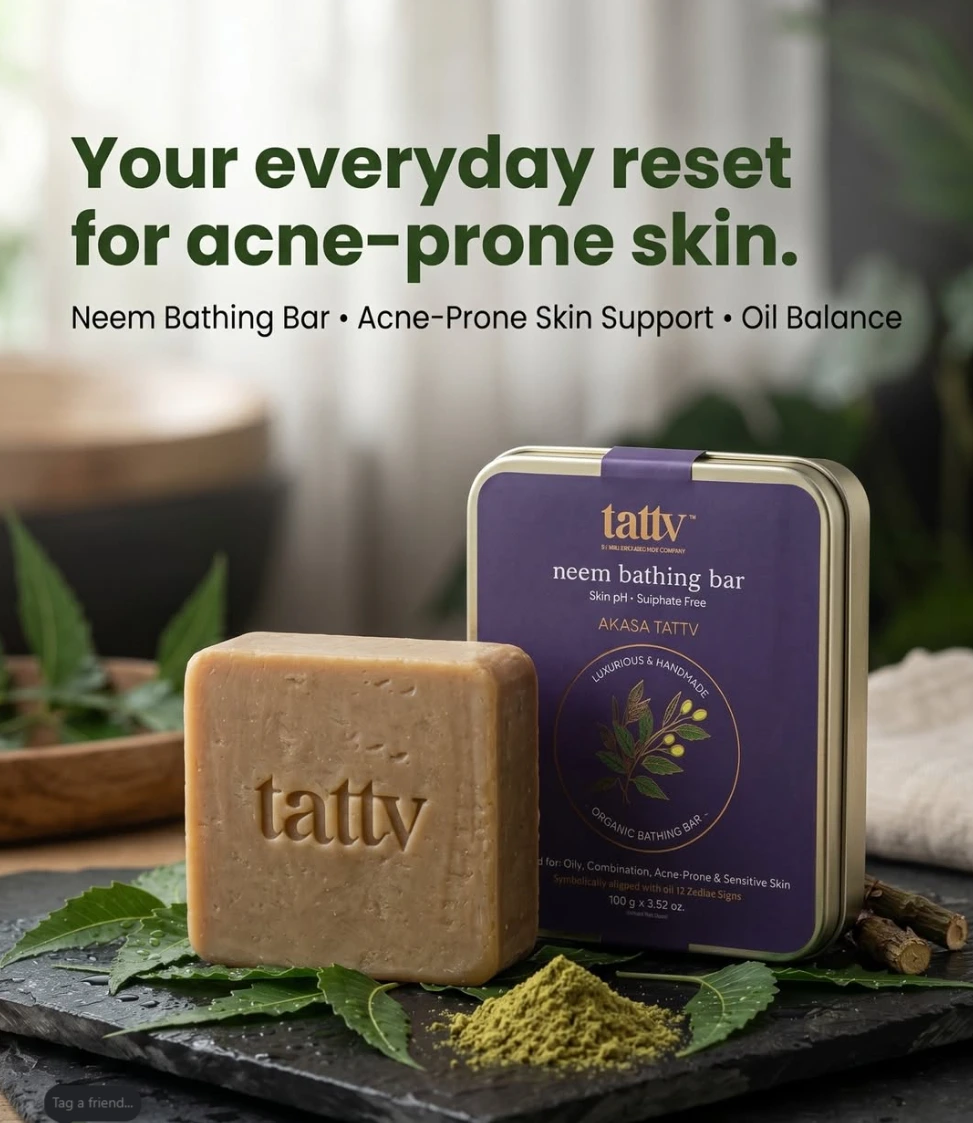
The curing process matters as well. Handmade soaps are usually left to cure for several weeks before they’re ready to use. This helps excess moisture evaporate and creates a firmer, longer-lasting bar. It’s a slower process, but it often results in a better-quality product overall.
Sustainability is another reason people are moving towards handmade skincare. Smaller-batch production, minimal packaging, and ingredient-conscious manufacturing appeal to buyers trying to make more mindful choices. Many artisanal brands also avoid excessive plastic packaging, which adds to their appeal.
As shopping habits continue changing, more people now buy skincare soaps online instead of relying only on supermarket shelves. Online skincare platforms make it easier to compare ingredients, understand formulations, and choose products based on specific skin concerns.
The growing popularity of skincare soaps online has also introduced consumers to a wider range of artisanal products that may not be available locally. Whether someone wants soothing oatmeal soap, charcoal cleansing bars, or nourishing butter-based blends, online access has made specialised skincare far easier to explore.
Still, choosing the right soap comes down to understanding your skin. What works well for oily skin may not suit dry or sensitive skin types. Reading ingredient labels carefully and patch testing new products can make a big difference.
Wrapping Up
At the end of the day, handmade soaps offer more than cleansing alone. They combine traditional craftsmanship, thoughtful ingredients, and a gentler skincare experience that many people now prefer over mass-produced alternatives. For anyone exploring mindful skincare options, Tattv offers carefully crafted handmade soaps designed to support healthier and more balanced everyday skincare routines.
Explore Skin-Friendly Soaps >>>
Our Best Sellers
Check out our top selling bathing bars !
FAQs
1. What makes handmade soaps better for daily skincare?
Handmade soaps are often made with nourishing oils and natural ingredients that help cleanse the skin without removing too much moisture. Many people find them gentler than heavily processed soaps, especially when used regularly as part of a simple and balanced skincare routine at home every day.
2. Are handmade soaps suitable for sensitive skin?
Many people with sensitive skin prefer natural skincare soaps because they usually contain fewer harsh detergents and unnecessary additives. However, every skin type reacts differently, so checking ingredients carefully and patch testing a product before regular use is always a smart and safe approach.
3. Why do handmade soaps feel more moisturising?
Most handmade soaps retain natural glycerine during the soap-making process. Glycerine helps attract moisture to the skin, which is why these soaps often leave skin feeling softer and less dry after washing compared to some stronger commercial cleansing bars available in the market today.
4. Is it safe to buy skincare soaps online?
Yes, many consumers now safely buy skincare soaps through trusted skincare websites that clearly mention ingredients, product details, and usage information. Reading customer reviews and checking ingredient transparency can help buyers choose products that match their skin type and personal skincare preferences more confidently.
5. How should handmade soaps be stored properly?
Handmade soaps last longer when kept in a dry soap dish with proper drainage. Allowing airflow around the soap prevents it from becoming soft too quickly. People purchasing skincare soaps online often also invest in wooden or ventilated soap trays to help maintain product quality between uses.
Our latest content
Check out what's new in our company !