
Walk into any skincare store or browse online, and you'll come across terms like cold process soap, hot process soap, glycerin soap, melt & pour soap, and syndet bathing bars. While they may all look similar, the way they are made has a significant impact on your skin.
Understanding these differences helps you choose a bathing bar that not only cleanses effectively but also supports your skin's natural protective barrier.
In this guide, we'll compare the three major soap-making methods and then explore the two most popular melt & pour soap bases—glycerin and syndet—to help you make an informed decision.
What is Hot Process Soap?
Hot process soap is made by combining oils and an alkali (usually sodium hydroxide) and then cooking the mixture during saponification.
The cooking process speeds up the chemical reaction, allowing the soap to be used much sooner than cold process soap.
Advantages
- Faster curing time
- Rustic handmade appearance
- Retains some naturally produced glycerin
- Suitable for artisan soap makers
Limitations
- Rough texture
- Difficult to create intricate designs
- High heat may reduce the effectiveness of delicate botanical extracts and fragrances
- Final soap still remains alkaline (typically pH 9–10)
What is Cold Process Soap?
Cold process soap is produced without external heat. Oils react slowly with sodium hydroxide over several weeks until saponification is complete.
This traditional method is popular among handmade soap artisans because it allows greater design flexibility.
Advantages
- Beautiful artistic designs
- Rich in naturally formed glycerin
- Large variety of oils and butters can be incorporated
- Traditional handcrafted appeal
Limitations
- Requires 4–8 weeks curing
- Finished soap remains alkaline
- Performance can vary between batches
- Sensitive natural ingredients may degrade during curing
- Can leave skin feeling dry, especially for sensitive skin
What is Melt & Pour Soap?
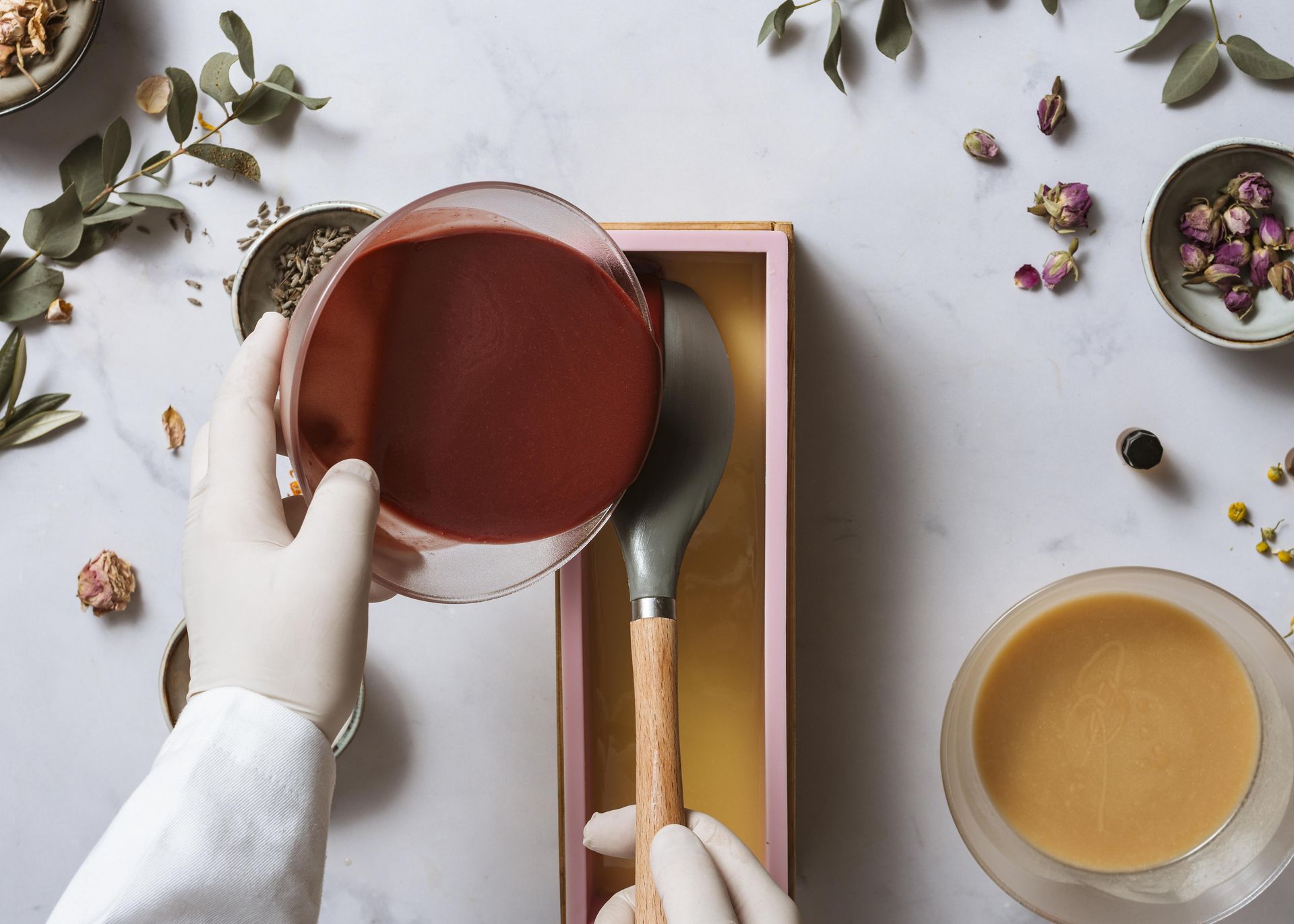
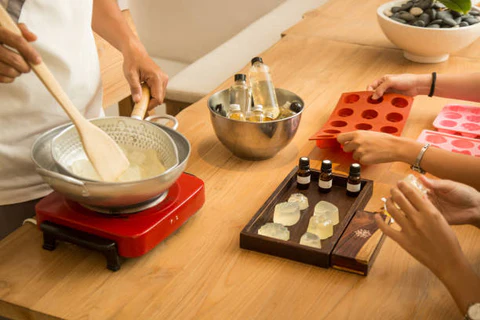
Melt & Pour soap starts with a professionally manufactured soap base. The base is simply melted, customised with skin-loving ingredients, colours, fragrances, herbs, or essential oils, and poured into moulds.
Since the base is already fully processed, no handling of lye is required.
This method ensures greater consistency, better quality control, and allows formulators to focus on adding beneficial ingredients rather than making the soap from scratch.
Hot Process vs Cold Process vs Melt & Pour Soap
| Feature | Hot Process | Cold Process | Melt & Pour |
|---|---|---|---|
| Manufacturing Process | Cooked after saponification | Naturally cured over weeks | Ready-made base melted and poured |
| Curing Time | 1–2 weeks | 4–8 weeks | Ready almost immediately |
| Batch Consistency | Moderate | Variable | Excellent |
| Design Flexibility | Moderate | High | Excellent |
| Safety During Production | Requires handling lye | Requires handling lye | No lye handling |
| Ingredient Stability | Moderate | Moderate | High (ingredients added at lower temperatures) |
| Suitable for Sensitive Skin | Moderate | Moderate | Excellent (depends on base used) |
| Commercial Quality | Moderate | Moderate | High |
Why Many Modern Premium Bathing Bars Use Melt & Pour
Today's premium skincare brands increasingly prefer melt & pour bases because they offer:
- Better manufacturing consistency
- Uniform cleansing performance
- Superior aesthetic finish
- Easy incorporation of botanical extracts
- Greater formulation flexibility
- More predictable skin feel
- Improved quality control
However, not all melt & pour soaps are created equal.
The real difference lies in the type of base.
Types of Melt & Pour Soaps
There are two major categories:
- Glycerin Soap Base
- Syndet Soap Base
While both belong to the melt & pour family, they perform very differently on the skin.
What is a Glycerin Soap?
Glycerin melt & pour soap is generally made using traditional soap chemistry with added glycerin.
Glycerin is a natural humectant that attracts moisture and helps reduce dryness.
Benefits
- Transparent appearance
- Moisturising
- Gentle compared to many traditional soaps
- Attractive for handmade soaps
Limitations
- Still based largely on traditional soap chemistry
- Usually remains alkaline
- Can soften or sweat in humid weather
- May not suit very sensitive skin
Typical pH:
8.5–10
What is a Syndet Soap?
"Syndet" stands for Synthetic Detergent, but the name is often misunderstood.
Modern syndet cleansing bars are not household detergents. Instead, they are carefully formulated using mild, skin-safe cleansing ingredients that have been specifically developed for personal care.
Unlike traditional soaps, syndet bars are formulated to match the skin's natural pH much more closely.
They are widely recommended in dermatology for people with:
- Dry skin
- Sensitive skin
- Children
- Mature skin
- Acne-prone skin
- Compromised skin barriers
Typical pH:
5.5–6.5
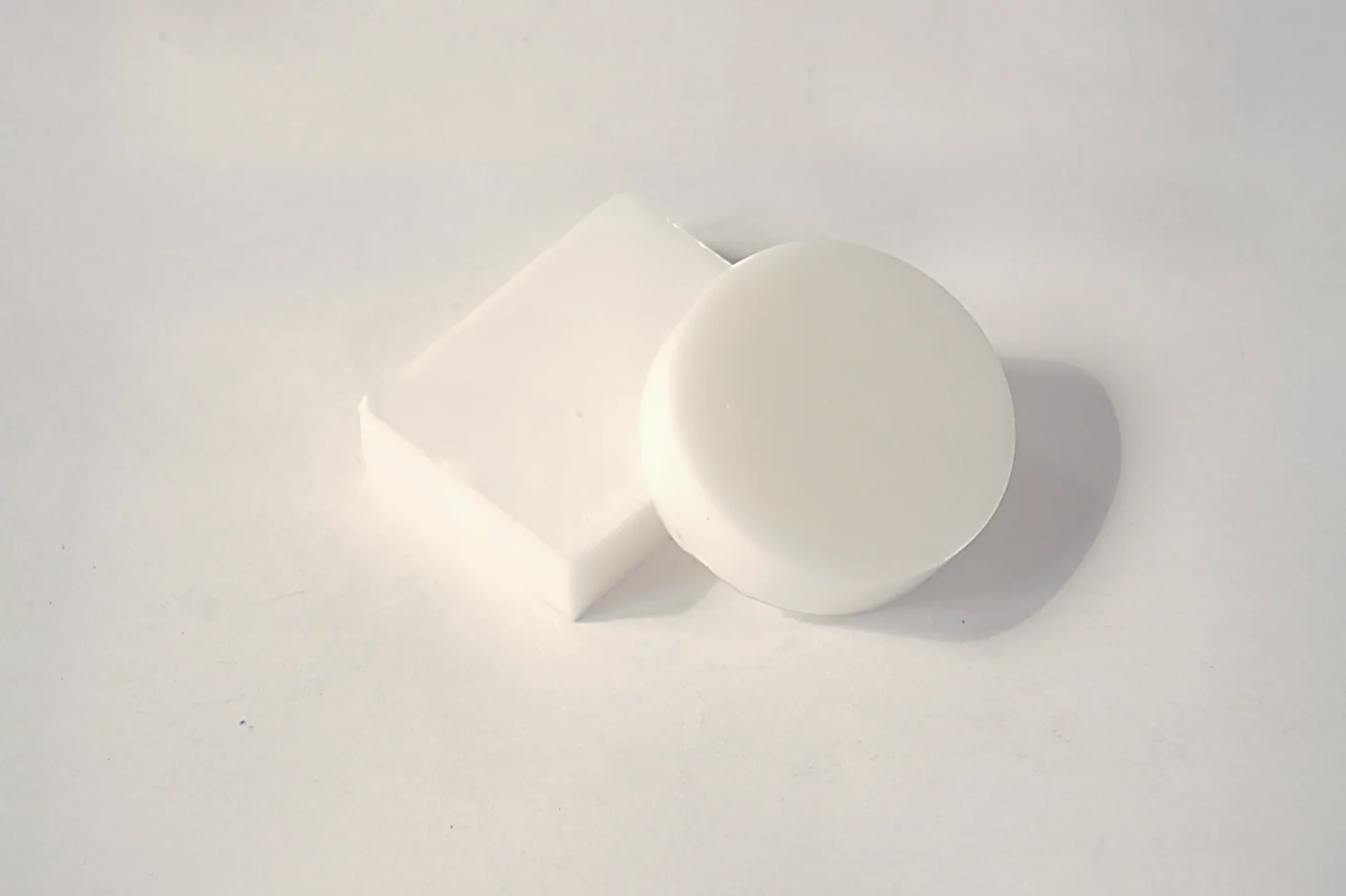
Glycerin vs Syndet Soap
| Feature | Glycerin Base | Syndet Base |
| Cleansing System | Traditional soap | Mild synthetic surfactants |
| Typical pH | 8.5–10 | 5.5–6.5 |
| Skin Barrier Support | Moderate | Excellent |
| Moisture Retention | Good | Excellent |
| Suitable for Sensitive Skin | Good | Excellent |
| Recommended by Dermatologists | Sometimes | Frequently |
| Suitable for Daily Use | Yes | Excellent |
| Risk of Dryness | Moderate | Low |
Why Skin pH Matters
Healthy human skin naturally maintains a slightly acidic surface known as the acid mantle, typically around pH 4.7–5.75.
This acidic environment helps:
- Support beneficial skin microbiome
- Prevent moisture loss
- Strengthen the skin barrier
- Reduce irritation
- Protect against harmful bacteria
Traditional soaps generally have a pH between 9 and 10, which temporarily disrupts this protective layer.
Skin usually recovers over time, but repeated exposure may contribute to dryness in susceptible individuals.
Syndet bars are designed to cleanse while remaining much closer to the skin's natural pH, helping preserve the skin barrier during everyday bathing.
Are Syndet Bars More Natural?
This question deserves a balanced answer.
The word "natural" refers to the source of ingredients, not necessarily how gentle they are on the skin.
Many traditional soaps use natural oils but still produce an alkaline cleanser due to the chemistry of saponification.
Syndet bars may contain naturally derived ingredients such as:
- Coconut-derived cleansers
- Plant-based moisturisers
- Botanical extracts
- Natural clays
- Essential oils
- Herbal actives
- Plant butters
The cleansing ingredients themselves are carefully engineered to be mild and skin-compatible. As a result, many modern syndet bars combine naturally derived ingredients with advanced skin science to provide a gentler cleansing experience.
Rather than asking whether a soap is "natural," a better question is:
Does it cleanse effectively while helping maintain healthy skin?
Which Soap is Best?
The answer depends on your priorities.
Choose Hot Process Soap if you appreciate rustic handmade craftsmanship and traditional soap making.
Choose Cold Process Soap if you enjoy artisan soaps with natural oils and unique handcrafted designs.
Choose Melt & Pour Glycerin Soap if you want a moisturising handmade soap with good transparency and aesthetic appeal.
Choose Melt & Pour Syndet Bathing Bars if your priority is:
- Skin pH-friendly cleansing
- Daily use
- Sensitive skin
- Healthy skin barrier
- Consistent quality
- Modern skincare performance
- Dermatologist-preferred cleansing technology
Final Thoughts
Every soap-making method has its own strengths. Hot process and cold process soaps celebrate traditional craftsmanship, while melt & pour offers consistency, design flexibility, and formulation precision.
Within melt & pour options, syndet-based bathing bars stand out for those seeking a cleanser that is gentle, pH-balanced, and suitable for everyday use. By supporting the skin's natural barrier while delivering effective cleansing, they represent a modern approach to skincare that combines science with carefully selected ingredients.
Whether you choose an artisan soap or a dermatology-inspired syndet bar, the best bathing bar is one that matches your skin's unique needs and helps keep it healthy over the long term.
Frequently Asked Questions
Is melt & pour soap bad?
No. Melt & pour simply refers to the manufacturing method. The quality depends entirely on the base used and the ingredients added.
Is glycerin soap better than cold process soap?
Glycerin soap generally provides better moisturisation, but both remain relatively alkaline compared with syndet bars.
Is syndet soap actually soap?
Technically, syndet bars are cleansing bars rather than traditional soaps because they use mild surfactants instead of saponified oils. They are designed to cleanse while better preserving the skin's natural pH.
Why do dermatologists recommend syndet bars?
Because their lower pH and milder cleansing agents are less likely to disrupt the skin barrier, making them suitable for sensitive or compromised skin.